•
The best time for primate trekking and savannah game viewing is during the two dry seasons: June to August and December to February. During these months, trails are less muddy and slippery, making chimpanzee and gorilla treks more manageable, and wildlife congregates around water sources, offering excellent game viewing. That said, safaris are possible year-round, and the lush, misty conditions of the wet season (March to May and September to November) often mean fewer travelers and equally rewarding encounters just come prepared for rain.
•
Pack sturdy, waterproof hiking boots that are already broken in, along with long-sleeved shirts and long trousers to protect against stinging nettles and insects. A waterproof jacket and rain pants are essential, as conditions in the forest can change quickly. Gardening gloves are helpful for gripping vegetation along the trails, and a daypack will carry your essentials, including insect repellent, sunscreen, a hat, sunglasses, a reusable water bottle, and a camera with extra batteries (cold forest conditions can drain batteries faster). Binoculars are also recommended for spotting wildlife during game drives and birds along the trails.
•
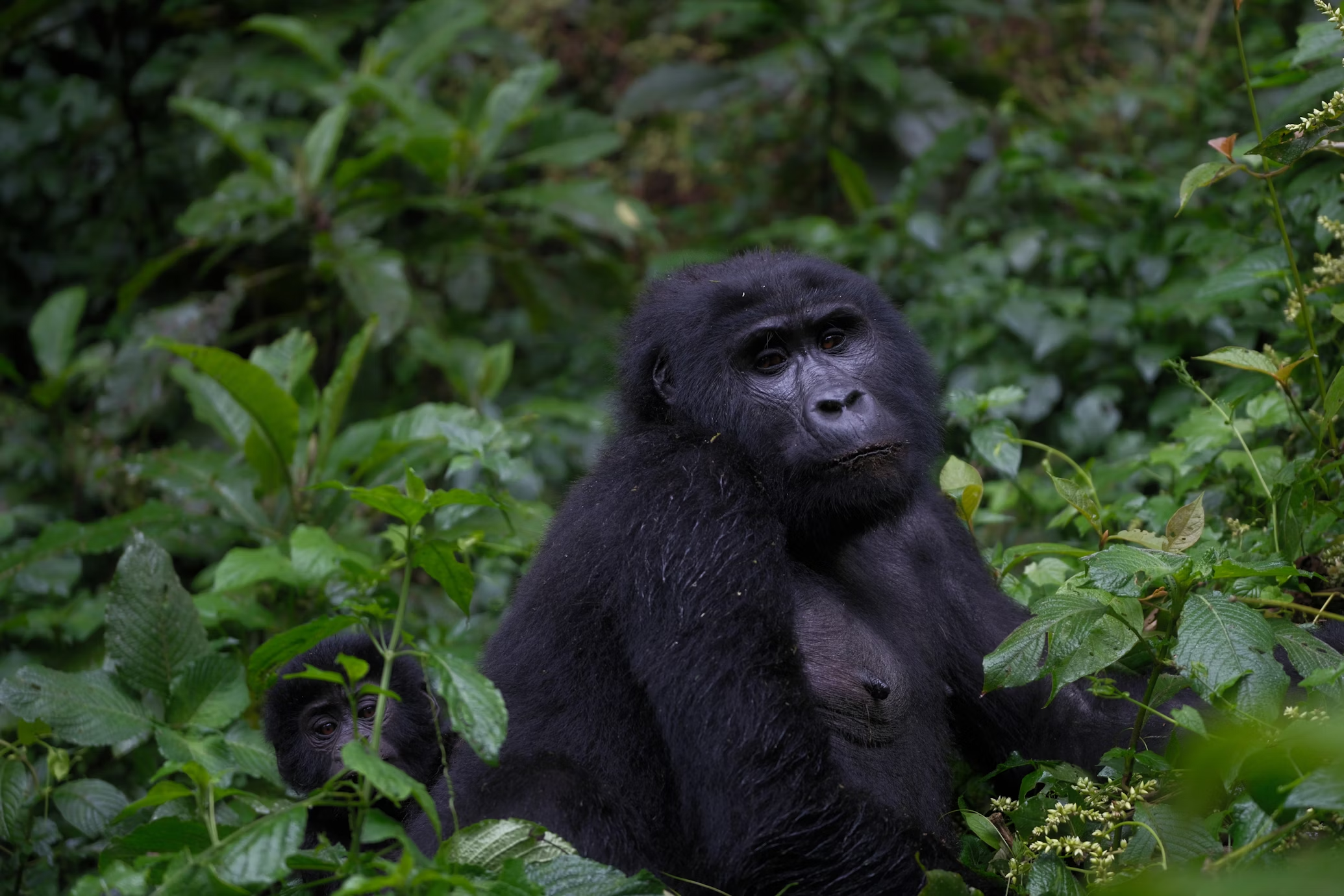
Maintain a minimum distance of 7 meters (about 21 feet) from the gorillas and chimpanzees at all times, follow your guide’s instructions, speak in low voices, move slowly, and turn off your camera flash. Do not eat or drink within 200 meters of the primates, make sudden movements or loud noises, attempt to touch the animals even if they approach you, or trek if you are feeling unwell, as primates are highly susceptible to human illnesses.