 7 Days
7-Day Uganda Primates & Wildlife Safari
A refined safari shaped with comfort and character.
Discover the best of Uganda's primates, wildlife, landscapes and cultures on this unforget...

Discover Bwindi Impenetrable National Park, Uganda’s top gorilla trekking destination. Experience close encounters with endangered mountain gorillas, lush rainforest hikes, and unforgettable wildlife adventures in Africa.
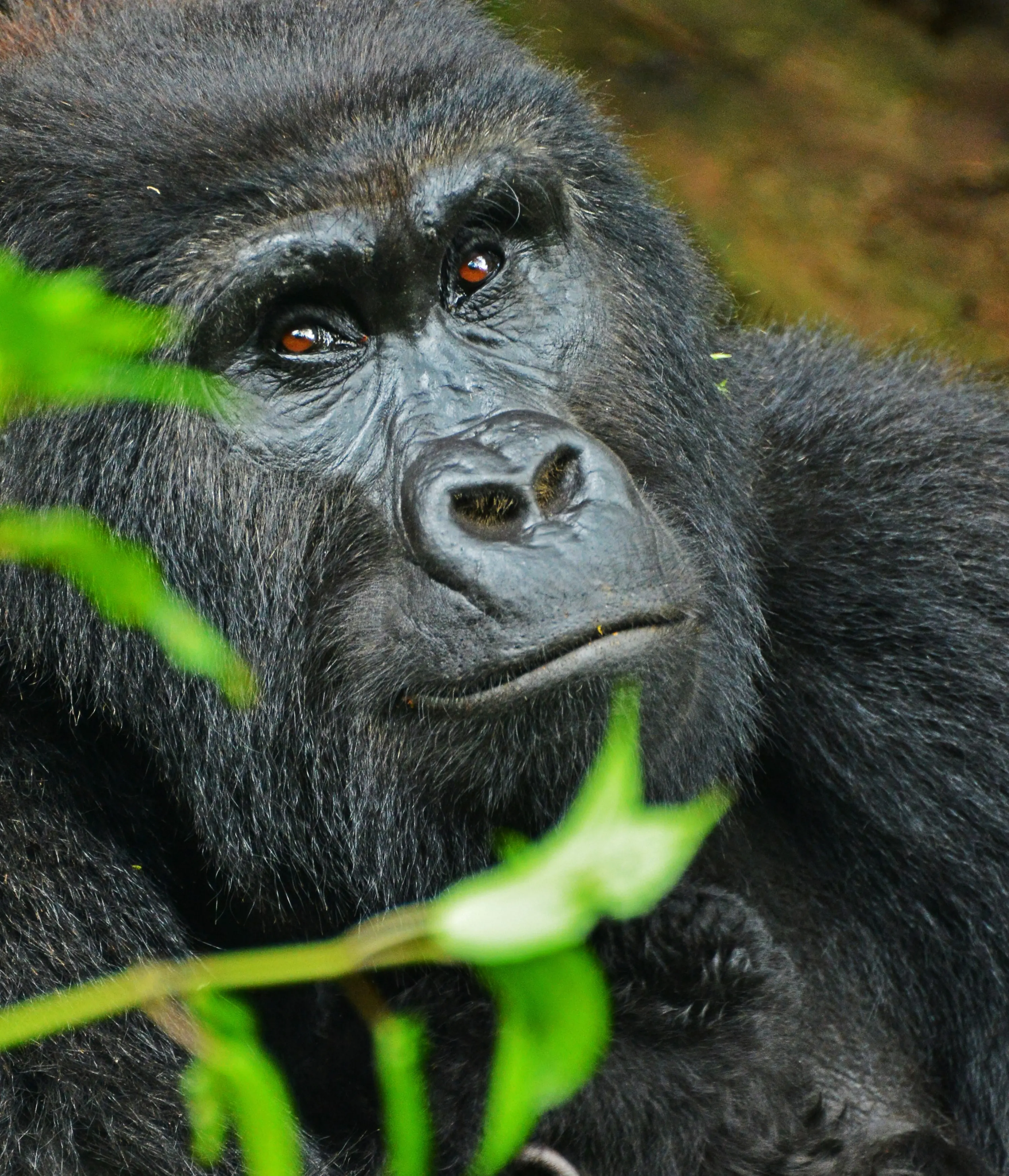
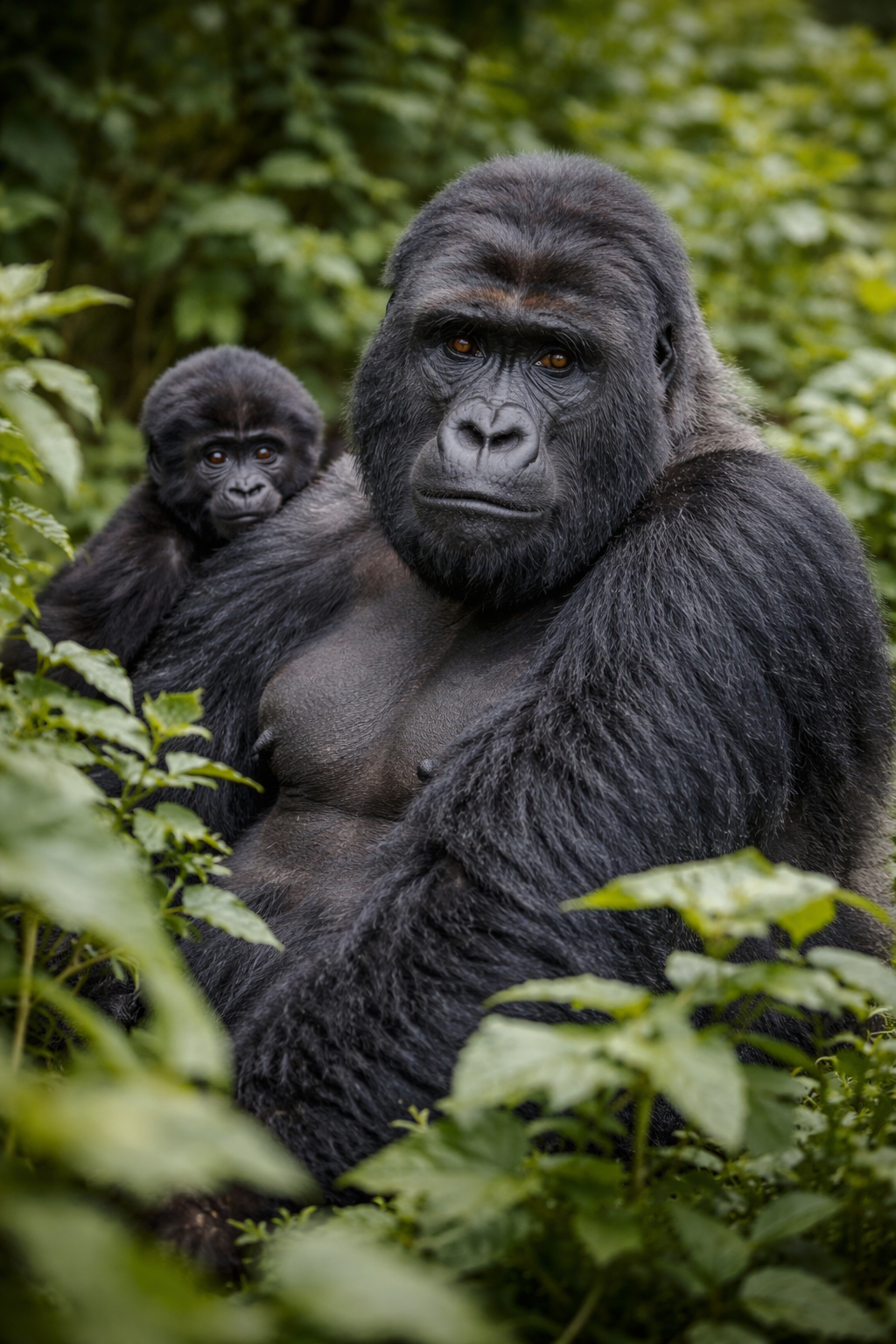
Bwindi Impenetrable National Park is Uganda’s most iconic safari destination, globally renowned for its life-changing gorilla trekking experiences. Located in southwestern Uganda along the edge of the Albertine Rift, this UNESCO World Heritage Site protects nearly half of the world’s remaining mountain gorillas, making it one of the best places on Earth for close-up wildlife encounters.
The park’s dense, mist-covered rainforest often referred to as the “impenetrable forest” is a biodiversity hotspot teeming with life. Beyond gorillas, Bwindi is home to over 120 mammal species, 350+ bird species, and countless butterflies and plant varieties, offering exceptional opportunities for nature lovers, photographers, and adventure seekers.
Gorilla trekking in Bwindi is a once-in-a-lifetime experience. Guided by expert trackers, you’ll hike through lush jungle terrain to spend a magical hour face-to-face with a habituated gorilla family an emotional and unforgettable encounter that consistently ranks among Africa’s top wildlife experiences.
With its combination of raw natural beauty, rare wildlife, and authentic cultural interactions with the Batwa community, Bwindi delivers a premium, high-value safari experience perfect for luxury, mid-range, and adventure travelers alike.
Bwindi Impenetrable National Park is accessible by both road and air from Entebbe or Kampala.
By road, the journey takes approximately 8 – 10 hours, offering scenic views of Uganda’s countryside, tea plantations, and rolling hills. Common routes pass through Kabale or Kisoro depending on your trekking sector.
By air, domestic flights operate daily from Entebbe International Airport to Kisoro or Kihihi airstrips, followed by a 1 – 2 hour transfer to your lodge ideal for luxury and time-conscious travelers.
Bwindi offers a wide range of accommodation options to suit every traveler:
Luxury lodges with premium amenities, forest views, and exclusive gorilla trekking access
Mid-range lodges offering comfort, great service, and excellent value
Budget camps and guesthouses ideal for adventurous travelers
Top lodges are located near trekking sectors like Buhoma, Ruhija, Rushaga, and Nkuringo, ensuring easy access to gorilla families.
Peak travel season
7 Days
A refined safari shaped with comfort and character.
Discover the best of Uganda's primates, wildlife, landscapes and cultures on this unforget...
 10 Days
A refined safari shaped with comfort and character.
Experience the very best of Uganda on this unforgettable 10-Day Uganda Gorillas, Chimps an...
 5 Days
A refined safari shaped with comfort and character.
Experience two of Uganda’s most remarkable national parks on this unforgettable 5-Da...
 3 Days
A refined safari shaped with comfort and character.
Experience one of Africa’s most extraordinary wildlife encounters on this unforgetta...





Join our safari circle and receive stories from the wild, gorilla trekking insights, and exclusive offers — delivered to your inbox.