Uganda Safari Seasons: When to Go for the Ultimate Wildlife & Gorilla Experience
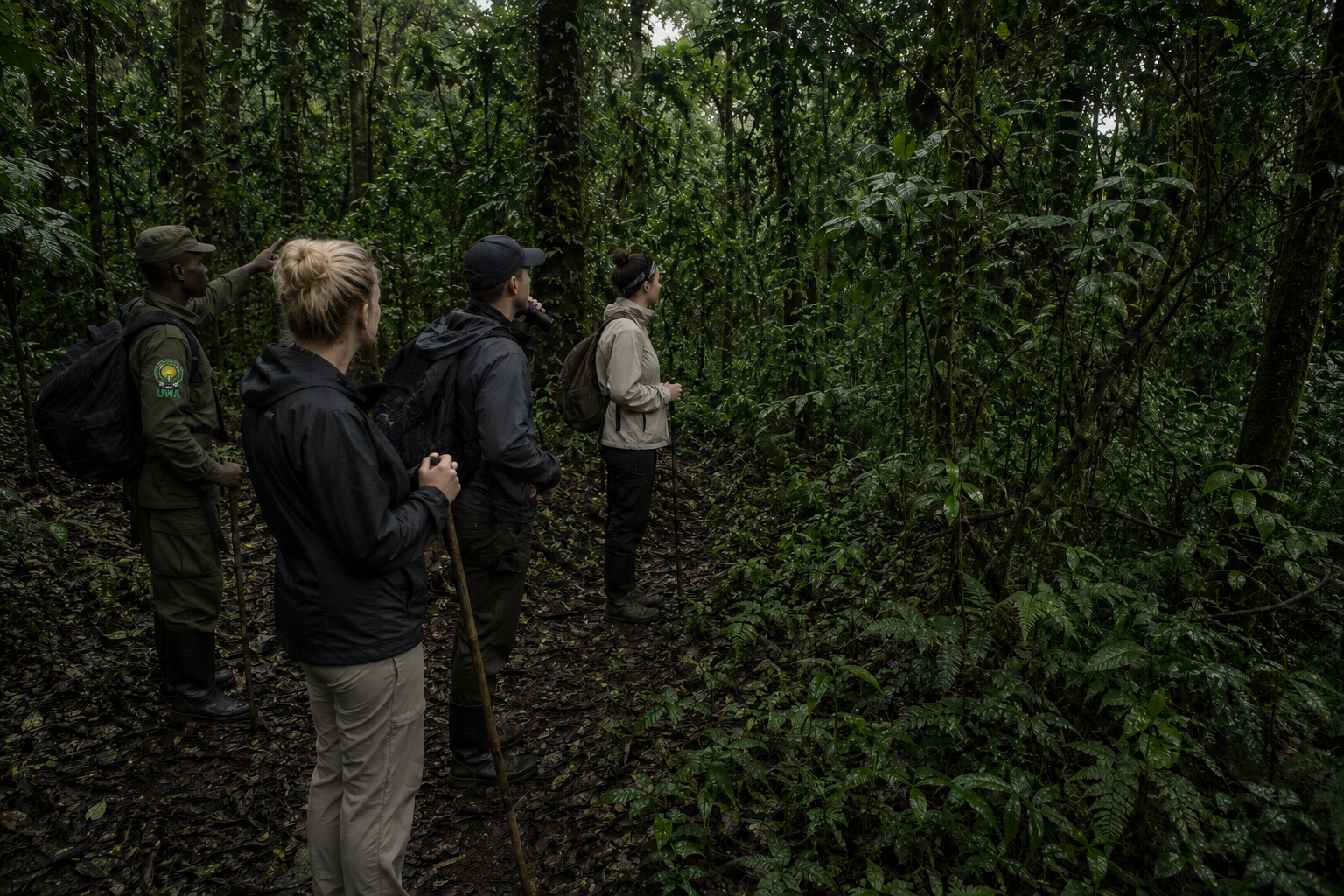
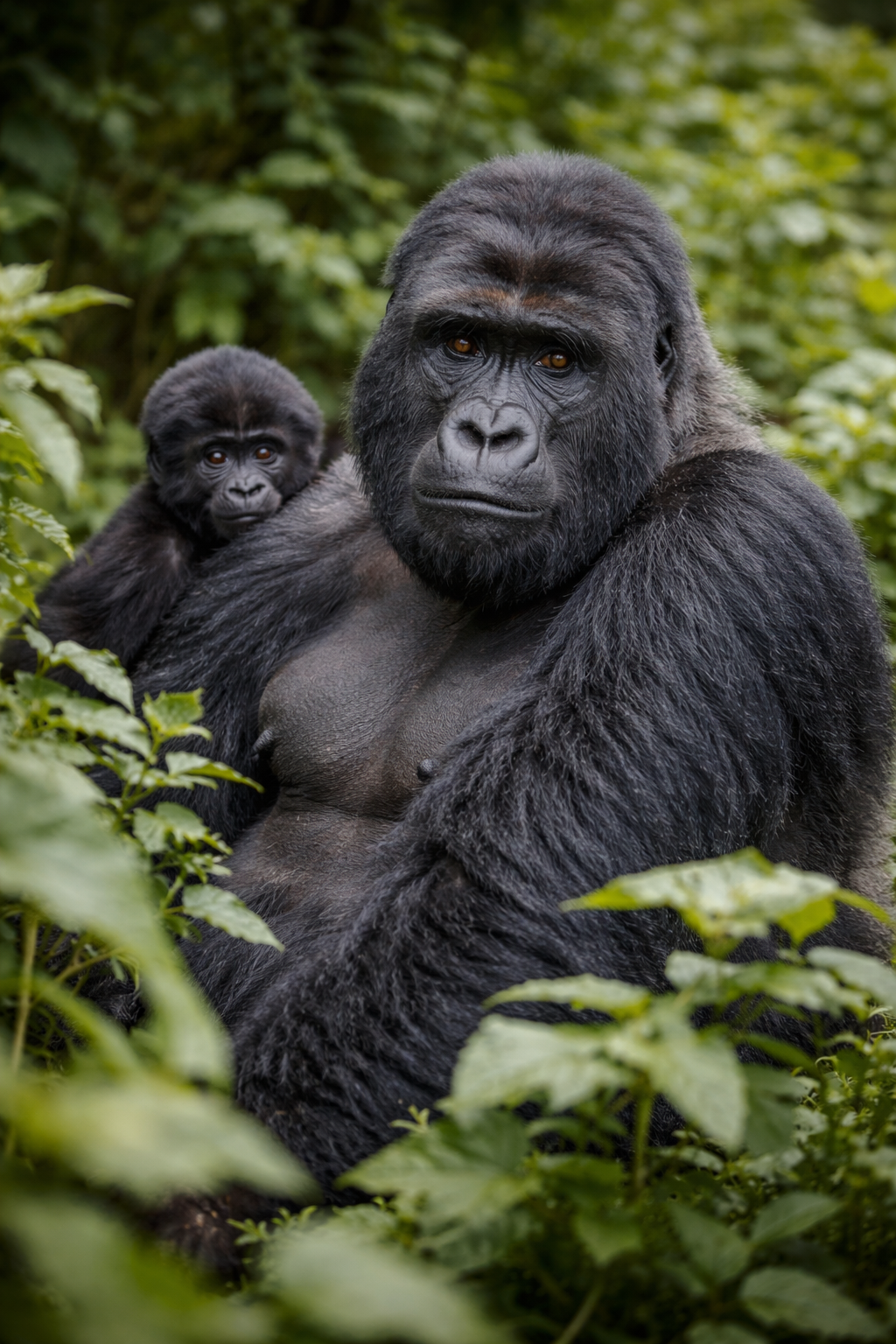
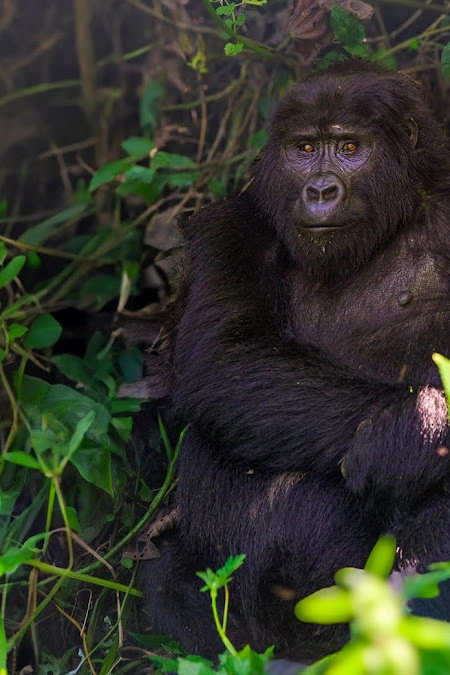
There is a moment, just before dawn breaks over Bwindi’s ancient rainforest, when the mist clings to the vines like silver silk. The air is cool, rich with earth and moss. You hear a rustle – then a deep, guttural call. A silverback emerges, just meters away, and for a breathless instant, time dissolves.
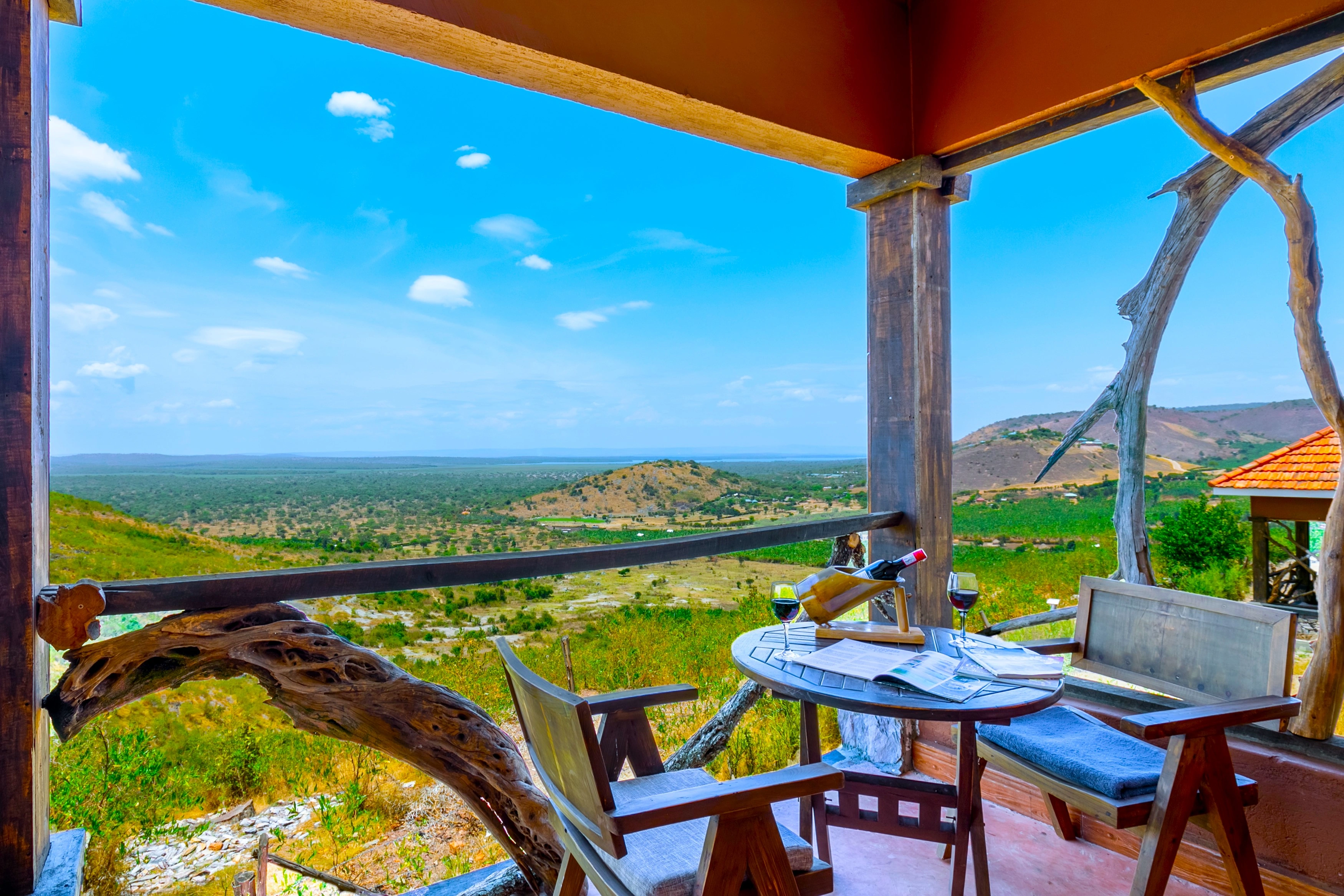
That moment doesn’t depend on a calendar. But the certainty of it – the ease of your trek, the clarity of your photographs, the luxury of a quiet lodge with panoramic views – that depends entirely on understanding Uganda safari seasons.
Uganda, the “Pearl of Africa,” offers one of the continent’s most diverse safari experiences. Snow-capped Rwenzori peaks, sprawling savannahs, dense rainforests, and the world’s most accessible mountain gorilla families. But unlike East African neighbours with simple wet/dry patterns, Uganda’s equatorial climate has nuances that can elevate or complicate your journey.
In this guide, we’ll walk you through every season, month by month, so you can align your dream safari with the perfect weather window. And when you’re ready, Enjobe Safaris will craft an exclusive, seamless journey tailored to that very moment.
Overview of Uganda’s Climate & Seasons
Uganda sits squarely on the equator, yet its altitude creates a surprisingly temperate climate. Expect warm days (20–28°C / 68–82°F) and cooler evenings, especially in high-altitude areas like Bwindi (where a fleece and good coffee become luxuries).
There is no true “winter” or “summer.” Instead, Uganda has:
-
Two dry seasons (June–August, December–February)
-
Two wet seasons (March–May, September–November)
Rainfall varies dramatically across regions. The north (Kidepo Valley) is semi-arid; the southwest (Bwindi, Mgahinga) is a lush, montane rainforest; while Lake Mburo and Queen Elizabeth National Parks enjoy a balanced mix.
The key takeaway? Every season offers a unique magic – but the best time to visit Uganda depends entirely on what you seek.
Dry Seasons: June–August & December–February
June to August – Peak Safari Season
This is Uganda’s high season – and for good reason. Trails are firm, skies are clear, and wildlife concentrates around water sources.
Wildlife & Gorilla Trekking:
-
Gorilla trekking in Bwindi is challenging but rewarding. Dry trails mean less slippery mud, easier hiking, and clearer photography.
-
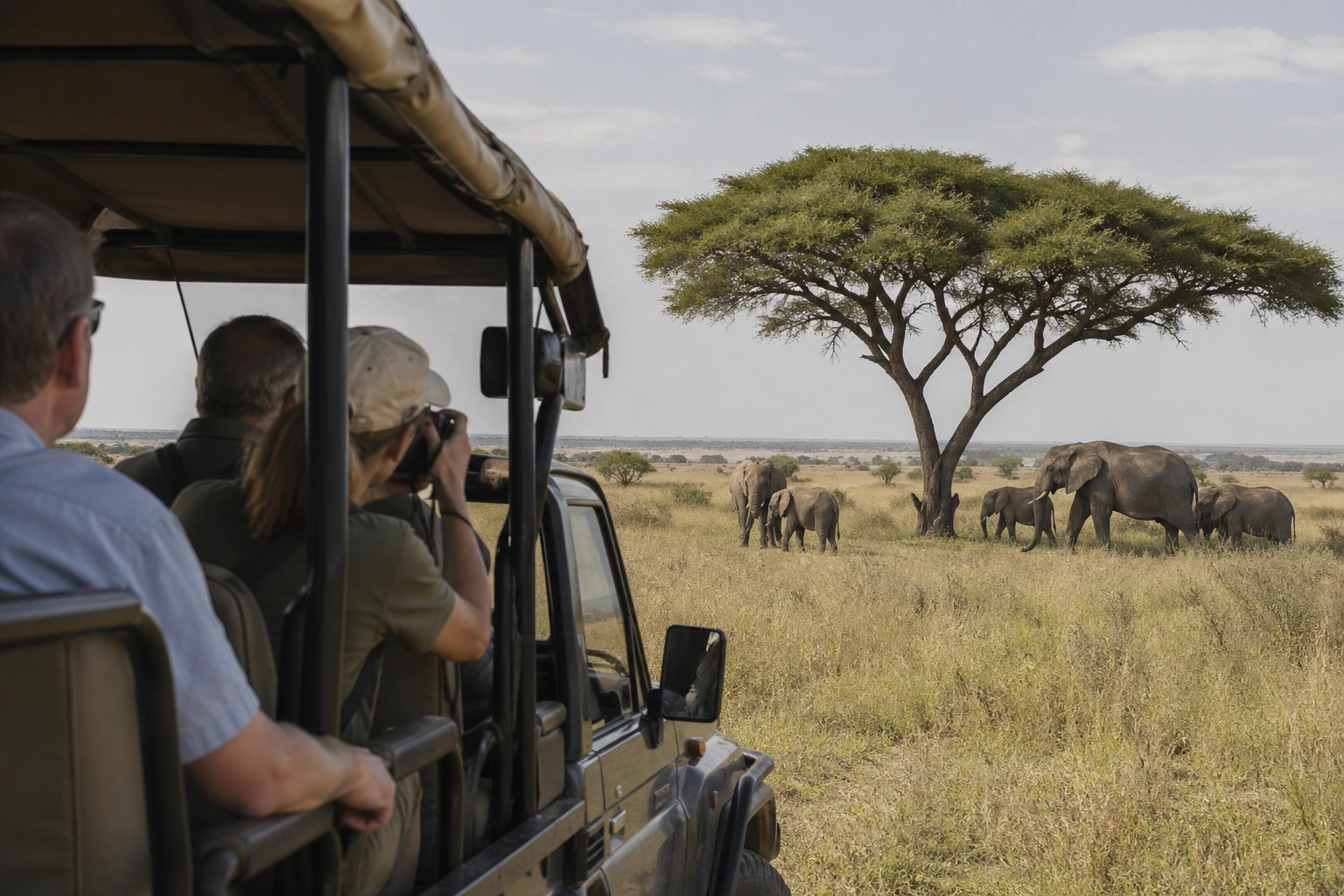
Savannah parks (Queen Elizabeth, Murchison Falls, Lake Mburo) offer exceptional game viewing. Animals gather at shrinking waterholes – expect lion sightings, elephant herds, and the elusive leopard.
-
Chimpanzee tracking in Kibale Forest is productive; chimps are more predictable when fruit trees are limited.
Bird Watching:
While year-round good, dry season sees migratory birds from Europe and North Africa (August is particularly rich).
Pros:
? Optimal trekking conditions
? Best big game viewing
? Sunny days, starry nights
? All lodges and activities fully operational
Cons:
? Highest prices (lodges book out months in advance)
? Busier trails and vehicles
? Dusty roads in savannah parks
Luxury Note: Enjobe Safaris secures prime lodge bookings and private vehicle options to preserve your sense of solitude – even in peak season.
December to February – Festive Dry Season
A second dry window, beloved for its warm, pleasant weather and festive atmosphere. Perfect for travelers escaping northern winters.
Gorilla Trekking:
Excellent, though mornings can be deceptively chilly. Afternoon sun burns off any lingering mist, offering stunning forest light.
Wildlife:
Outstanding. December is particularly good for predators in Queen Elizabeth’s Ishasha sector (tree-climbing lions). February sees calving seasons in some areas – dramatic predator-prey action.
Bird Watching:
Resident birds are active; migratory species begin departing by February.
Pros:
? Holiday travel possible (Christmas/New Year safaris are magical)
? Warm, comfortable days
? Fewer crowds than June–August (except holiday weeks)
Cons:
? Christmas and New Year bookings require 6–12 months lead time
? Late February can see brief pre-rain humidity
Pro Tip: Book your December gorilla permit by March. Enjobe Safaris’ concierge team handles all permits, logistics, and private charter flights.
Wet Seasons: March–May & September–November
Many travelers avoid the rains, but insiders know: the wet seasons offer profound beauty, lower prices, and extraordinary birding.
March to May – The Long Rains
April is typically the wettest month. Heavy afternoon downpours are common, but mornings often dawn clear.
Gorilla Trekking:
More challenging – slippery slopes, leeches (easily managed with gaiters), and thicker vegetation. However, gorillas are closer to trails because they feed on abundant lowland shoots. Trek times can actually be shorter. The forest is spectacularly lush.
Wildlife:
Animals disperse with plentiful water, making sightings more scattered. However, dramatic storm-lit photography and far fewer vehicles create an intimate safari feel.
Bird Watching:
Peak breeding season for many resident birds. Extraordinary colors and behaviors.
Pros:
? Lowest rates (up to 30–50% off luxury lodges)
? Fewer tourists – private wildlife encounters
? Lush, photogenic landscapes
? Perfect for birding enthusiasts
Cons:
? Muddy roads (some airstrips may be inaccessible)
? Requires flexible itinerary planning
? Some lodges close April–May (not Enjobe’s preferred partners – we select all-weather camps)
Luxury Angle: Enjobe Safaris uses 4x4 vehicles with expert drivers who navigate wet-season roads with ease. We also recommend fly-in options to bypass muddy routes.
September to November – The Short Rains
A gentler, more forgiving wet season. October sees moderate showers, usually in late afternoon or overnight.
Gorilla Trekking:
September is a hidden gem – dry spells between rains, fewer trekkers, still-green forest. November can be wet but rewarding.
Wildlife:
Excellent. October and November are prime for birding (migratory species arrive from Europe). Animals are healthy and active.
Pros:
? Shoulder season pricing (lower than dry season)
? Lush scenery without excessive mud
? Great for photographers (dramatic skies, soft light)
? Chimpanzee tracking is fantastic (chimps enjoy seasonal fruits)
Cons:
? Unpredictable showers – pack quality rain gear
? Some backcountry roads require patience
Expert Insight: For savvy luxury travelers who value exclusivity over guaranteed sun, September offers a near-perfect balance.
Best Time for Specific Safari Experiences
Gorilla Trekking Best Time
Peak: June–August, December–February
Shoulder: September, late January
Budget/value: March–May, November
“Gorilla trekking best time” isn’t only about weather – it’s about permit availability. Dry season permits sell out 6–8 months ahead. Enjobe Safaris secures permits in advance, even in peak months.
Wildlife Safaris (Big Game)
Best: June–August (especially July), January–February
Good: September, December
Fair but intimate: March–May (expect dispersion but solitude)
For the Big Five (lion, leopard, elephant, buffalo, rhino – the latter only at Ziwa Rhino Sanctuary), focus on dry months.
Bird Watching
Ultimate: November–April (migratory species present)
Excellent: May–August (breeding plumages, resident birds)
Good year-round: Uganda has over 1,070 species – always rewarding.
Chimpanzee Tracking
Best: Dry seasons (easier trails) and September (fruit abundance keeps chimps active)
Avoid: Peak of long rains (April) if you prefer dry trekking.
Pros & Cons of Each Season at a Glance
| Season | Pros | Cons |
|---|---|---|
| Jun–Aug (Dry) | Best game viewing, easy trekking, clear skies | Crowded, expensive, dusty |
| Dec–Feb (Dry) | Festive travel, warm weather, fewer crowds (except holidays) | Holiday premium pricing |
| Mar–May (Wet) | Lowest prices, lush scenery, exclusive lodges | Mud, leeches, some closures |
| Sep–Nov (Wet) | Shoulder savings, great birding, good chimps | Unpredictable rain |
Month-by-Month Quick Guide
January – Warm, dry. Excellent for gorillas & savannah.
February – Dry, slightly warmer. Calving season in some parks.
March – Short rains begin. Lush, fewer tourists.
April – Wettest month. Only for adventurous, value-focused travelers.
May – Rains ease. Green season magic, low rates.
June – Dry season starts. Perfect trekking.
July – Peak wildlife viewing. Book early.
August – Still prime. Migratory birds arrive.
September – Short rains start. Best “secret season.”
October – Moderate rains. Excellent birding.
November – Wetter, but great for photographers.
December – Dry, festive. Book gorilla permits 9+ months ahead.
Expert Tips for Choosing the Best Time to Visit Uganda
-
Match your season to your priority. Gorilla trekking? June–August or December–February. Birding? November–April. Budget luxury? March–May or September–November.
-
Book gorilla permits early – even in wet season. Uganda only has 24 gorilla permits per day in Bwindi (18 in Mgahinga). Enjobe Safaris holds priority access for our clients.
-
Consider a split-season safari. Start in dry season for savannah game, then move to rainforest for gorillas as rains begin – you get both optimal wildlife and lower lodge rates.
-
Embrace the “shoulder” months (September & March). You’ll enjoy 80% of dry season benefits with 30% fewer guests.
-
Trust local expertise. Uganda’s microclimates mean one park can be rainy while another is sunny. Enjobe Safaris designs dynamic itineraries that adapt to real-time conditions.
-
Pack like a professional. Dry season = dust gear. Wet season = waterproof layers, gaiters, and leech socks. We provide detailed packing lists for every season.
Why Enjobe Safaris Is Your Ultimate Luxury Partner
Choosing when to go is only half the journey. The other half is how you experience it.
Enjobe Safaris crafts private, bespoke Ugandan adventures for discerning travelers who expect more than a standard itinerary. We offer:
-
Exclusive access – Private gorilla trekking permits, after-hours park drives, and lodge buyouts upon request.
-
Seamless logistics – Charter flights between Bwindi, Kidepo, and Murchison Falls. No long road transfers.
-
Elite guides – Certified naturalists, former park wardens, and trackers with decades of experience.
-
Luxury camps & lodges – Only the finest properties with butler service, spa treatments, and farm-to-table dining.
-
Rain-or-shine guarantee – We design your Uganda safari seasons strategy with contingency plans, alternate activities, and weather-proofed vehicles.
Whether you choose the golden dry season or the emerald wet season, your journey will be flawless, intimate, and deeply memorable.
Your Uganda Safari Awaits – Let’s Plan It Perfectly
The Pearl of Africa doesn’t reveal itself to everyone. It waits for those who come with intention, curiosity, and a sense of wonder.
Now that you understand Uganda safari seasons, the next step is personal: a conversation about your dreams, your travel style, and your perfect departure date.
? Plan your safari with Enjobe Safaris today – inquire now to reserve your gorilla permit, secure a private luxury lodge, and begin crafting the most extraordinary chapter of your travels.
[Contact Enjobe Safaris] → Let’s design your season-perfect Ugandan safari.
Let this story become your next safari.
Speak with our specialists to build a tailored itinerary around the experiences you just read about.